EEVideo Specification
Open Embedded Ethernet Video (EEVideo) protocol specification: CoAP/CoRE management, lightweight UDP streaming, feature discovery, and register-based device control for embedded machine vision.
The Embedded Ethernet Video (EEVideo) specification defines an open protocol for delivering live video over standard Ethernet using IP networking—built for embedded machine-vision cameras and sensors.
Tecphos sponsors the specification so product teams can implement interoperable devices without a proprietary closed stack.
Where to read it
Open EEVideo Specification
Full docs: eevideo.tecphos.com
·Spec repository: gitlab.com/eevideo/spec
Protocol structure
EEVideo has two largely independent parts:
- Management Protocol — host discovery, configuration, and monitoring via CoAP (Constrained Application Protocol) and CoRE link-format discovery. Device features are exposed as 32-bit registers with a discoverable feature map.
- Stream Protocol — efficient UDP delivery of video with low latency: Start-of-Frame, pixel-data, and End-of-Frame packets, without requiring heavy host-side protocol stacks.
Design goals
- Leverage standard Ethernet hardware and IP software tooling
- Low latency for live machine vision (raw / low-latency compressed data)
- High efficiency with minimal protocol overhead
- Low complexity on the camera/sensor side
- Flexible formats, frame rates, and pixel characteristics
- Open source so products can audit, implement, and interoperate
Related open-source tooling
- goEEVideo — Go client library for discovery and CoAP register control
- eeVid — CLI for discover, registers, capture, and NVM programming
- eeView — GStreamer live stream viewer
- eevLark — Starlark scripts for configure, I2C, and capture automation
FPGA IP
- EEVideo FPGA IP — zero-royalty FPGA implementation of the EEVideo stack
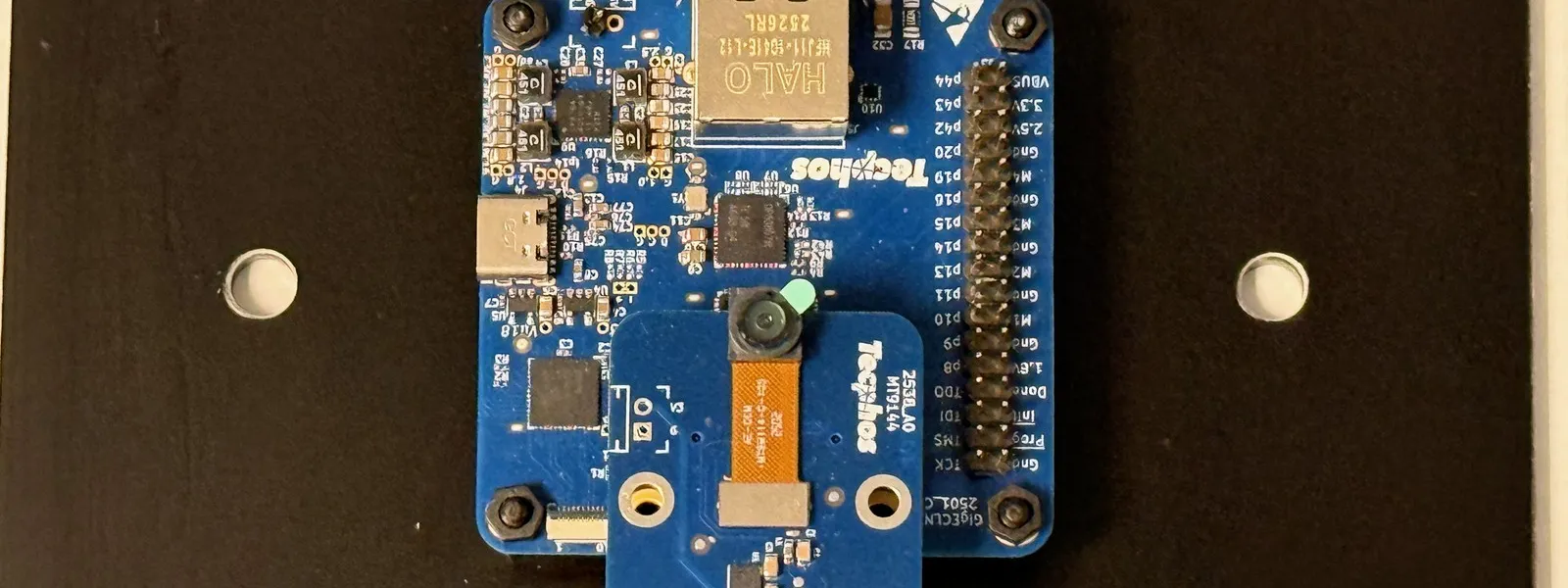
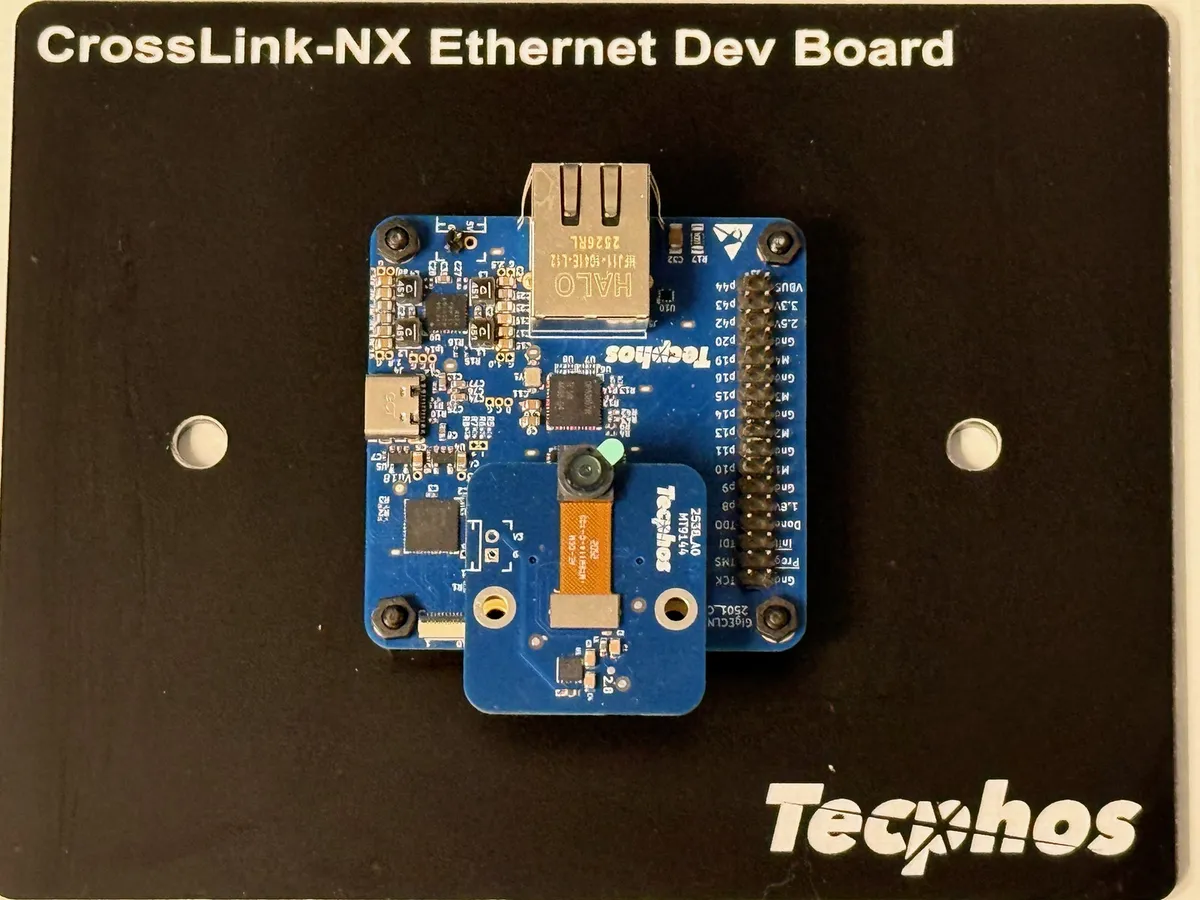
- CrossLink-NX Ethernet Video Dev Board — hardware platform for EEVideo device development
Have an imaging project in mind?
Whether you need FPGA development, a custom video interface, or help with a difficult imaging problem — we are ready to help.